
Lifestyle Considerations for Guinea-Pig Owners
There is a common misconception that guinea pigs are short-lived, low-maintenance “starter pets” or an easy pet for children. Unfortunately, many families quickly discover this is not the case and reach out to rescues to surrender them only a few months after purchase.
The truth is, guinea pigs are a long-term responsibility. In the past, their lifespans averaged just 3 to 5 years, largely due to poor care practices such as keeping them in small cages or outdoor hutches, feeding the wrong diet, failing to spay females (who have a high risk of developing uterine or ovarian cysts), and skipping necessary veterinary care. With proper housing, nutrition, and medical attention, the average life expectancy is now 5 to 7 years, and with excellent care and some luck, guinea pigs can live 10 to 13 years.
Many guinea pigs are surrendered to rescues or even abandoned outside because families did not anticipate how long they would live or how much work they would require. Parents who expected children to be the primary caregivers often realize that the majority of cleaning and responsibility ends up falling on them.
This page is meant to help families reflect honestly on whether guinea pigs are the right fit for their household. Below, we will outline the most common reasons families contact us to surrender their pets, such as: allergies, busy schedules, housing challenges, and underestimating the time and costs involved.
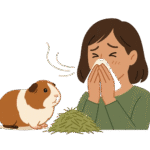
Many families discover allergies to hay or guinea pigs only after bringing them home, making this one of the leading causes of surrenders. Since hay is the main part of a guinea pig’s diet and is also used for bedding and enrichment, it will always be present in the home. For those with sensitivities, this can cause sneezing, itchy eyes, or even more severe reactions such as asthma flare-ups.
Because hay is essential, families cannot remove it or reduce exposure without harming their pets. Before adopting, it is important that everyone in the household spends time around guinea pigs and hay to see if allergies are an issue. While mild symptoms can sometimes be managed with air purifiers, frequent cleaning, face masks, gloves, and sealed hay storage, families should be realistic about whether they can provide a safe, healthy home for both the guinea pigs and themselves.
Guinea pigs are often adopted with the expectation that children will be their primary caregivers. While younger kids and even teens may start off excited, they often become busy with school, sports, or friends and gradually lose interest. Older teens who leave for college usually cannot take their pets with them, which leaves the responsibility behind.
In many cases, parents do not want to take over the daily feeding, cleaning, and social interaction that guinea pigs require. Since these pets can live up to 10–13 years with proper care, families should plan from the start who will be responsible if children’s interest, priorities, or schedule change.
Adopting guinea pigs should always be considered a family pet, and not a child’s pet.
Guinea pigs require a clean and sanitary environment to stay healthy. This includes “spot-cleaning” twice a day in addition to a “deep cleanings” 2-3 times per week, which can take anywhere from 30 minutes to 1 hour.
Families who are not prepared for this level of upkeep often find themselves overwhelmed and frustrated. Cleaning is a daily, non-negotiable responsibility that directly impacts the health and happiness of guinea pigs. It is important to honestly consider whether you have the time, energy, and commitment to maintain a clean environment for your guinea pigs throughout their entire lives.
The cost of guinea pig care is often underestimated. Beyond food, bedding, and enclosures which can cost $60-150 per month, exotic vet care is essential:
-
Annual wellness exam: $100–150
-
Bloodwork: $200+
-
X-rays: $250–450
-
Surgery: $900+
Families who are not prepared for these expenses may choose to surrender their guinea pigs when illness arises.
When guinea pigs get sick, they must be taken to an exotic veterinarian immediately meaning skipping work or school. Sadly, many are surrendered because families are not willing or able to pay for needed care.
Guinea pigs are crepuscular, which means they are most active at dawn and dusk. During these hours, they may squeak loudly for food, rustle through piles of hay, or chew on toys and cage accessories. While these behaviors are normal and healthy, they can be surprisingly noisy, especially in the quiet of early morning or late evening.
If guinea pigs are housed in a bedroom, their activity can disturb sleep and become frustrating over time. Families should carefully consider where the enclosure will be placed in the home and whether their natural activity patterns will fit comfortably into the household routine. Planning ahead for an appropriate location can help prevent noise from becoming a reason for surrender.
Life changes such as new jobs, longer commutes, or shifting school schedules can reduce the time families have to care for their guinea pigs. Even though they are small animals, guinea pigs require consistent daily attention, including feeding, cage cleaning, and social interaction. Skipping these tasks can quickly lead to unhealthy or unhappy pets.
Because guinea pigs rely on routine, it is important to think ahead about how changes in your lifestyle might affect their care. Families should have a plan for who will handle daily responsibilities if one person’s availability decreases.
Another common reason guinea pigs are surrendered is housing restrictions. Families sometimes adopt without disclosing their pets to a landlord or building management, only to later face fines and eviction threats when the pets are discovered. In many cases, condo associations specifically list exotic pets like rabbits and guinea pigs as not allowed in their governing documents.
Guinea pigs need daily care and cannot be left alone for longer than 24 hours. They require constant access to fresh hay, clean water, a measured portion of pellets, daily greens, regular enclosure maintenance, and health checks. Even being away for a weekend means arranging for a friend, trusted neighbor, or experienced pet sitter to provide care. Skipping feedings or cleanings can quickly affect their health, and professional pet sitting often costs $20–25 per day.
Families who travel often for work, school, or vacations should think carefully about who will take responsibility for their guinea pigs when they are away. Surrender requests consistently increase around summer and winter holidays when families realize they do not have care plans in place. Boarding through a rescue, pet sitter, or exotic veterinarian can sometimes be arranged, but these services are costly and usually need to be scheduled well in advance.