
Do Rabbits Need to See a Veterinarian Every Year?
Yes! As prey animals rabbits instinctively hide signs of illness and do so very well. They should get a wellness exam, with blood work, every year with an experienced exotic veterinarian even if they “seem healthy.” This way illnesses can be caught and treated in the early stage. By the time symptoms become obvious it may be too late or much more difficult to treat; requiring more advanced and costly treatments. You should never ignore symptoms or try to treat rabbits at home yourself. “Home remedies” are no substitute for veterinary care and are often dangerous.
When rabbits are six years old they are considered senior pets and should visit an exotic vet twice a year. X-rays determine if arthritis is present and lifelong pain management may be advised.
Cost of Veterinary Care for Rabbits
A physical exam with an experienced exotic veterinarian may cost $75-$105 in Florida. During a typical physical exam the veterinarian will document the weight and vital signs (temperature, heart and respiratory rates), listen to the heart and lungs, use a scope to look at the eyes and nose and inside the mouth and ears, etc. It is important that the veterinarian is experienced with properly handling exotic animals like rabbits because they have fragile spines and are difficult to keep calm and safely restrain. Improper handling can lead to stress and spinal injuries.
Because rabbits hide signs of illness, blood work should be performed every year to check the functioning of internal organs, this can be an additional $150-$300. In the case of a suspected injury or illness, veterinarians may need to perform diagnostic x-rays which can cost $250-$450. If surgery is needed, depending on the length and complexity it may range from $900 – $1600 or more.
The average cost of a spay/neuter surgery in Florida is $400-$600.
It is recommended to have a medical savings account of $1000 per rabbit for emergencies.
Another option is to GET PET INSURANCE WITH NATIONWIDE or APPLY FOR CARE CREDIT to get 6 months interest free financing for unexpected costs.
Gastrointestinal (GI) Stasis
A Guide to Rabbit Poop
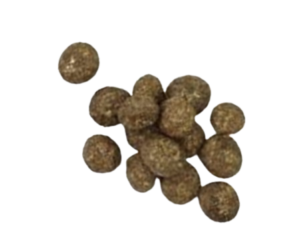
Uniform in size and well-formed, yellow – brown in color, hay visible. Soft. These poops indicate the rabbit is eating the appropriate amount of hay, is hydrated and the digestion is working well.
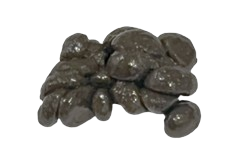
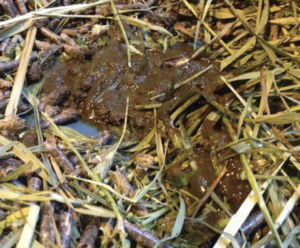
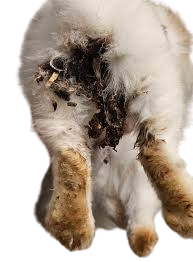
You will not usually see these as rabbits will eat them. Dark brown, sticky. Uneaten cecotropes or cecals stuck to a rabbits butt may be a sign of an underlying medical issue.
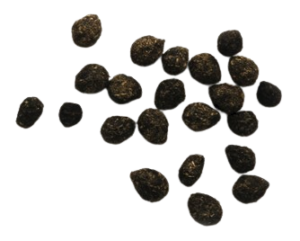
Can indicate dehydration, pain, GI stasis, parasites or too much greens, protein or sugar in the diet. Decrease or eliminate greens, increase hay and soak green in water.
Visible fur in poop or poop is strung together with fur. Not enough fiber (hay) in diet, not enough grooming / brushing. Increase hay and frequency of brushing.
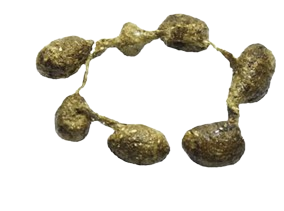
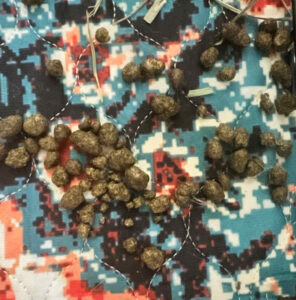
Poops that drastically vary in size and color can be an indication of megacolon (see below)
Contact the vet right away, this is an emergency!
What Is Rabbit Hemorrhagic Disease Virus (RHDV II)?
Rabbit Hemorrhagic Disease Virus (RHDV) is a calcivirus that specially affects rabbits. It is highly contagious and can be transmitted amongst both wild and domestic rabbits. The virus is transmitted through the urine, feces, and respiratory secretions of rabbits that are infected, or those that survive for up to 2 months. It can also be brought inside the home on dirt, leaves, flowers, or insects that have come in contact with an infected rabbit’s fur, feces or urine.
There is no cure and if contracted the fatality rate is as high as 70-90%. Death occurs within just 3-5 days of contracting the virus.
The virus traveled from Europe to the United States in 2020 and it is considered an epidemic. All states now offers annual vaccines for RHDV. Vaccinating your rabbit, keeping them strictly indoors and taking your shoes off by the door are important ways to keep your rabbit safe from this deadly disease.
Dental Disease (Malocclusion)
Dental disease, commonly referred to as malocclusion, occurs when a rabbit’s teeth do not align or wear down properly. Rabbits have open-rooted teeth that grow continuously throughout their lives. Normal chewing, especially on hay, is necessary to keep teeth worn to an appropriate length.
When teeth do not wear evenly, they can overgrow or develop sharp points, spurs, or abnormal curves. These changes can cause painful injuries to the tongue, cheeks, jaw, and surrounding tissues. Dental disease is a frequent underlying cause of reduced appetite and gastrointestinal stasis.
Because rabbits are prey animals, signs of dental pain are often subtle and may not be obvious until the condition has progressed.
Common Causes:
-
Genetics: Some rabbits are predisposed to malocclusion due to skull shape or inherited dental alignment issues.
-
Improper Diet: Diets low in fiber, especially insufficient hay intake, prevent normal tooth wear.
-
Trauma or Injury: Falls or accidents can damage teeth or alter alignment.
-
Age-Related Changes: Wear patterns and jaw strength can change as rabbits age.
Symptoms:
-
Dropping food or eating more slowly than usual
-
Favoring soft foods or greens over hay
-
Reduced appetite or refusal to eat
-
Weight loss
-
Drooling or a wet chin
-
Eye or nasal discharge
-
Smaller, misshapen, or reduced fecal output
-
Behavioral changes such as lethargy, hiding, or teeth grinding
Diagnosis:
-
Oral examination, often requiring sedation to fully visualize the molars
-
Skull X-rays or imaging to assess tooth roots and jaw structure
-
Medical history review, including diet and eating habits
Treatment:
Treatment depends on the severity and underlying cause of the dental disease.
-
Dental trimming or burring performed by a veterinarian
-
Pain management to improve comfort and appetite
-
Treatment of infections or abscesses, if present
-
Dietary adjustments to support ongoing tooth wear
-
Long-term management, as many rabbits with dental disease require ongoing care
Dental disease is not corrected by chew toys alone and should never be managed without veterinary guidance.
Prognosis & Prevention:
Many rabbits with dental disease can live comfortable lives with proper management, especially when the condition is identified early.
-
Unlimited access to high-quality hay
-
Balanced diet with appropriate pellets and fresh greens
-
Routine wellness exams with a rabbit-savvy veterinarian
-
Monitoring eating habits and fecal output daily