
Bonding Rabbits

A 4 Week Guide to Bonding Rabbits
If you are are considering getting a friend for your rabbit, this guide is for you!
As a rescue we hear all to often of the pit falls people encounter on their bonding journey. Many people don’t realize that rabbits are extremely territorial and bringing a new rabbit home can lead to serious fights and injuries. Rabbits need to go through a weeks long, nuanced bonding process that can take 2 weeks or 2 months (or more) before they can live together safely. And not all rabbits can be bonded. Like people, some just don’t get along.
In this guide we will outline our recommended 4 week long bonding process, as well as:
- The importance of companionship for rabbits.
- Bonding criteria and what to look for when choosing a friend.
- Choosing where in your home to bond and the supplies you’ll need.
- Understanding common behaviors like chasing and mounting.
When two bunnies first meet, 1 of 3 outcomes will occur:
Love at First Sight. The rabbits may groom or cuddle with each other right away. This is pretty rare and only happens in 1 out of 10 introductions.
Fight at First Sight. The rabbits should be separated immediately to prevent injury. This will look like a rabbit tornado with fur flying.
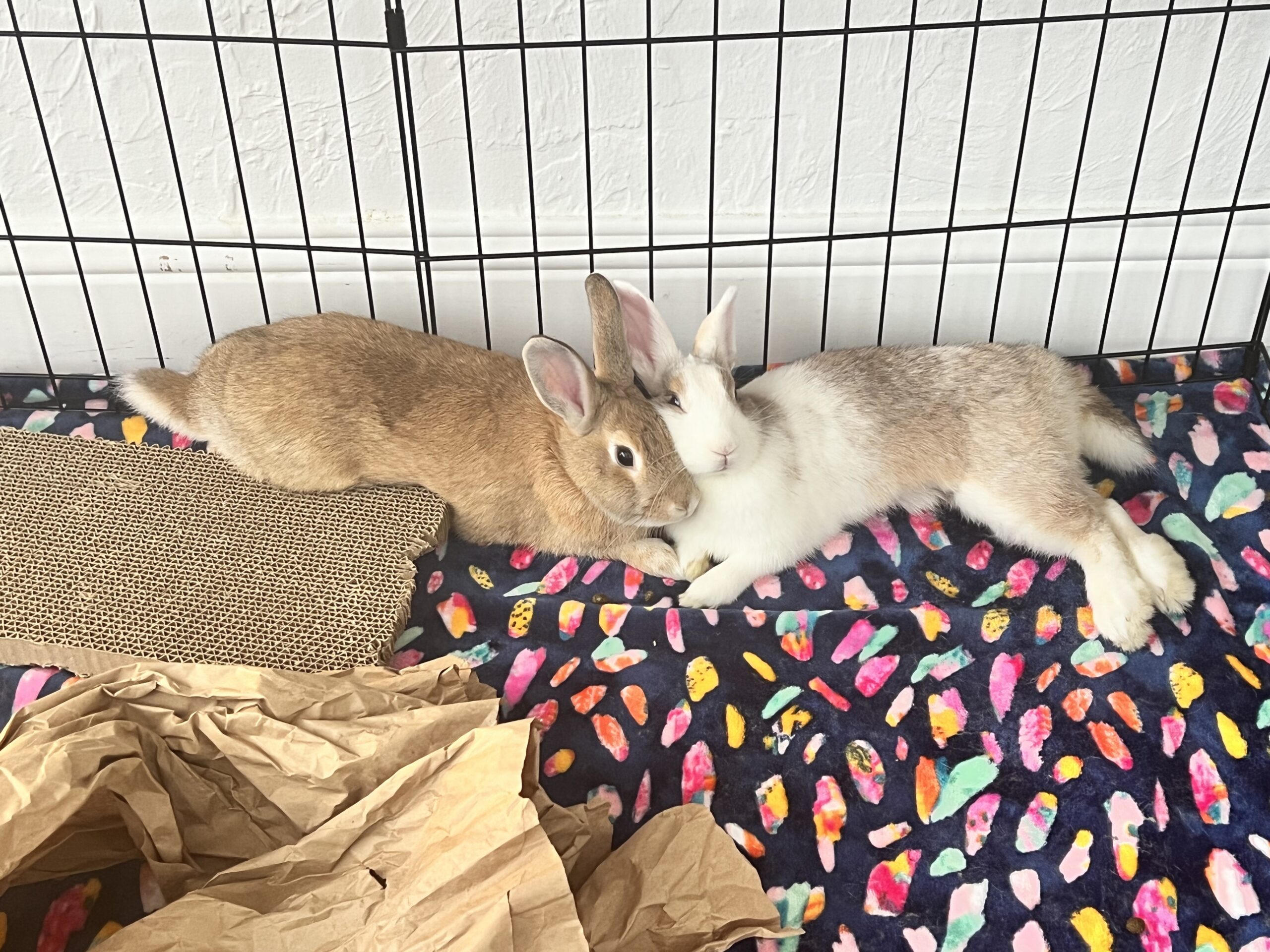
Tentative friendship. The rabbits may approach each other, show interest and then move away, but will likely not groom or cuddle together. They may play “hard to get”, or seen uninterested so as not to be perceived as a threat, but may lay down in a relaxed or mirrored body position.
Sometimes one rabbit (the more dominant one) will chase and mount the other. This is OK as long as the rabbit on the bottom (the submissive one) accepts it and does not challenge for dominance. Mounting is a way of establishing who is the bunny boss or the bunny hierarchy if there are multiple rabbits. This is a crucial step and should not be interrupted unless it escalates to a fight. Mounting will decrease over time as the relationship solidifies.
PRO TIP: Reach out to your local rabbit rescue to see if they offer bunny “speed-dating” or bonding! Rabbit rescues will be able to introduce several spay/neutered rabbits to assess the best compatibility and can provide advise and support during the bonding process. They may also send rabbits home on a trial to make sure that you don’t end up with 2 rabbits who cannot be bonded which often happens when buying a rabbit.
DO RABBITS NEED A FRIEND?
Rabbits are extremely social animals. In natures, rabbits live in large colonies of 20-60 rabbits with up to 10 family members sharing a den or burrow. They form strong bonds, foraging for food together and warning each other when danger is near. Domesticated rabbits also exhibit these social instincts, and having a bonded partner can significantly enhance their quality of life and promote overall health, prevent loneliness, reducing stress and behavioral problems and foster a sense of security. Many rabbits owners report their rabbits are happier living with a friend to groom, cuddle and play with.
CONSIDER THIS BEFORE GETTING ANOTHER RABBIT
How much time do you spend with your rabbits each day?
If you work from home and spend a lot of time interacting with your rabbit, they might be less lonely. However, if you’re often out of the home for work or school, a companion of the same species could significantly improve your rabbit’s quality of life. Observing your rabbit’s behavior can help determine if they might benefit from a companion. Signs of loneliness include lethargy, destructive behavior, or over-grooming themselves, a stuffed animals or blankets.
Have you looking up what bonding rabbits is like?
Understanding rabbit behavior and proper bonding techniques is crucial. We recommend reading a couple of different articles before proceeding.
Are both rabbits spay/neutered?
De-sexing rabbits is crucial for reducing hormonal and territorial behaviors and aggression. After surgery, you’ll need to wait 2-8 weeks before introducing them, keeping them in separate enclosures during this period to prevent fighting and potential injuries.
Can you afford to care for two rabbits?
A single rabbit costs about $80-200 per month in food in supplies, that’s about $2000 per year. You’ll be spending more on food, supplies and veterinary costs will double with an additional rabbit.
Do you have the space for bonding?
At the start of the bonding process, rabbits will need to be housed separately in side by side mirrored enclosures. You’ll need to dedicate about 5ft x 10ft of space to set up two x-pens. You’ll also need a separate space for their “dates”. Once living together a pair of rabbits will also need slightly more space than a single rabbit. We recommend a minimum 4ft x 6ft, 24sq ft living space when enclosed for a pair, but a 6ft x 6ft, 36sq ft living space is preferred.
Do you have the time for bonding?
The bonding process can take over a month, requiring daily sessions and constant supervision, especially during the critical period when the rabbits start living together. By the 3rd week, when rabbits are starting to live together they will need to be supervised 24/7 and many owners end up sleeping next to the rabbits’ pen for at least a week to supervise them.
BONDING SETUP & SUPPLIES
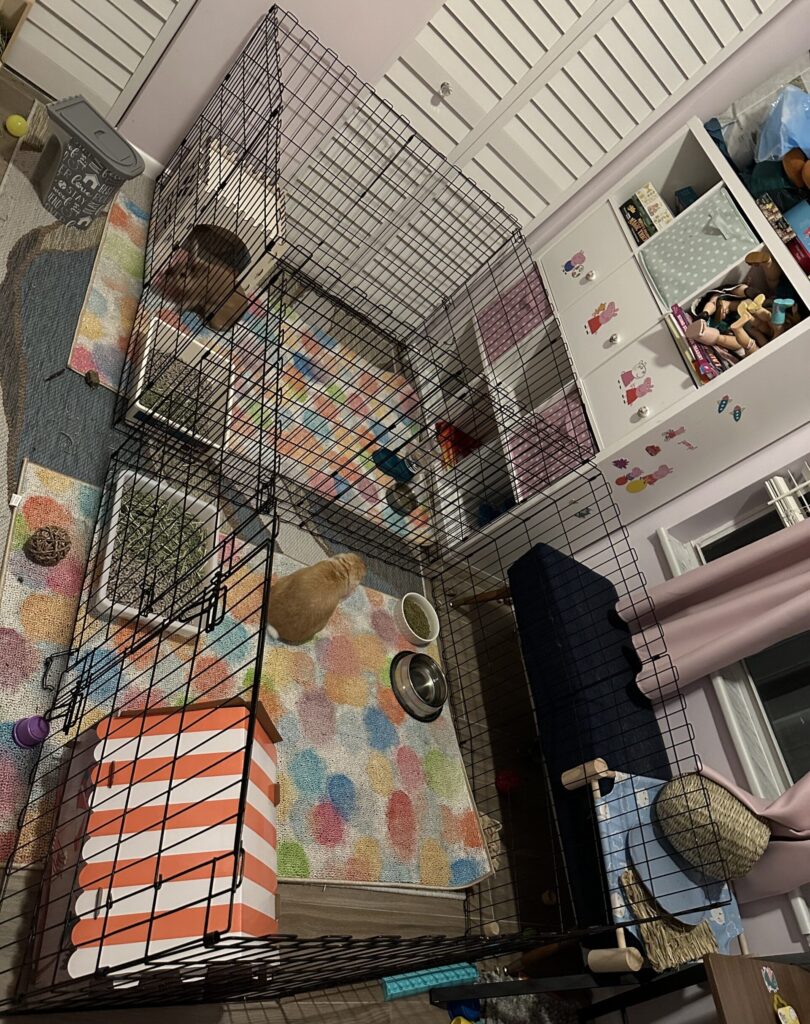
For our recommended bonding style you will need to set-up 2 identical “mirrored” enclosures:
- We recommend using two 30-36in tall “MidWest Metal Dog Exercise Pen” or similar metal play pens and using a “Pen Cover” or fitted sheet with chip clips to make sure that no bun can jumps out. A rabbit that is used to free-roaming may protest being confined and is more likely to try to jump out.
- You will need two sets of blanket or rugs, litter-boxes, water bowls, and hidey houses to go inside the enclosures.
Using new litter boxes, hidey houses and blankets will decrease the likelihood of territorial behavior from the original rabbit.
Week 1
WEEK 1 | Neighbors
Before rabbits can move in together, they will need to spend at least 1 week being neighbors
During the first week of bonding, your rabbits will live in two side by side “mirrored” enclosures. Their litter boxes and food bowls should be side by side so that they can get used to eating together. Once a day, you’ll swap the rabbits back and forth into each others pens while their litter boxes and other items stay behind. This is so that they get used to sharing a litter box and neither gets attached or territorial over ‘their’ pen.
If you don’t have an extra pair of hands to hold one bunny while swapping the other or are less confident picking up the rabbit(s) you can switch the litter-boxes so that the rabbits still get used to each others smells.
Things to DO, AVOID and WATCH OUT FOR this Week:
DO:
- Flip the Rabbits into Each Other’s Pen Once a Day: This helps the rabbits get accustomed to each other’s scent and prevents them from becoming territorial over ‘their’ pen or litter box.
- Use a Pen Cover or Fitted Sheet: Cover the pens when you are not present to supervise to prevent either rabbit from jumping into the other’s pen and causing injury. We recommend: “Metal X-Pen Cover” or “Canvas X-Pen cover” but a fitted sheet with chip clips works in a pinch.
- Add a Barrier: Place barriers like paper towel or toilet paper rolls between the pens if you notice that either rabbit is pushing the pens together.
- Feed Simultaneously: Feed the rabbits at the same time near the dividing barrier to create positive associations with the presence of the other rabbit.
- Observe Closely: Spend time observing their behaviors to monitor for signs of curiosity, interest, stress or aggression.
AVOID:
- Putting Rabbits in the Same Pen or Free Roaming Together: This can lead to fights that may set back or derail the bonding process.
- Using Only One Pen Between Rabbits: Ensure there is a double barrier if one rabbit is free roaming to prevent fighting, nipping or biting through the bars.
- Allowing Antisocial Behavior: Remove hidey houses during active times (dawn and dusk) to encourage interaction. Return the hidey houses in the afternoon and at night when rabbits naturally rest.
- Rushing the Process: Do not rush the introduction process; allow them to take their time getting used to each other’s presence.
- Neglecting Individual Attention: Ensure each rabbit receives individual attention and enrichment to reduce stress and boredom.
WATCH OUT FOR:
- Mirroring Behaviors: Look for positive signs like mirroring behaviors, such as eating at the same time or lying down close to each other.
- Injuries from Jumping or Pushing Pens: Be vigilant injuries that may occur if the rabbits attempt to jump out or push the pens together.
- Signs of Stress or Health Issues: Make sure that both rabbits are eating and drinking water and neither are demonstrating signs of extreme stress like constant hiding or refusing to eat.
Curiosity
Periscoping or checking each other out shows curiosity and interest.
Mirroring
Mirrored body positions (laying or flopping side by side) and activities (eating hay at the same time) are a great sign!
Escape Attempts
Rabbits who are be used to free-roaming may protest being confined. They are more likely to push the pen and jump out. Make sure neither rabbit can jump out as this can lead to injuries.
Week 2
WEEK 2 | Dating
After 1 week of swapping the rabbits back and forth you can begin to supervise “dates”
During the second week of bonding, you can start to let the rabbits spend time together in a “date” pen. A “date” pen should have only a blanket underneath it with hay in the middle for the rabbits to share. You can use one of the pens you are using as an enclosure but be sure to move it or the rabbit that was in there last may be territorial. Use a neutral area for the date, such as a hallway or different area of the room that neither rabbit are as familiar with. You’ll start with just a short 15min date on the first day, and if it goes well, increase the amount of time they spend together each day until they are spending an hour together peacefully.
Things to DO, AVOID and WATCH OUT FOR this Week:
DO:
- Neutral Space: Dates should take place in a neutral area, such as a hallway or different part of the room. Use an x-pen to create a contained area with nothing in it for the rabbits to fight over. Just a blanket, hay and 2 water bowls. Wait 5min before adding water bowls, so that the initial chasing dies down or the rabbits may trample through the bowls and get wet
- Short Dates: Begin with just 15-minute sessions and gradually increase the time that the rabbits spend together each day, reaching up to 1 hour by the end of the week.
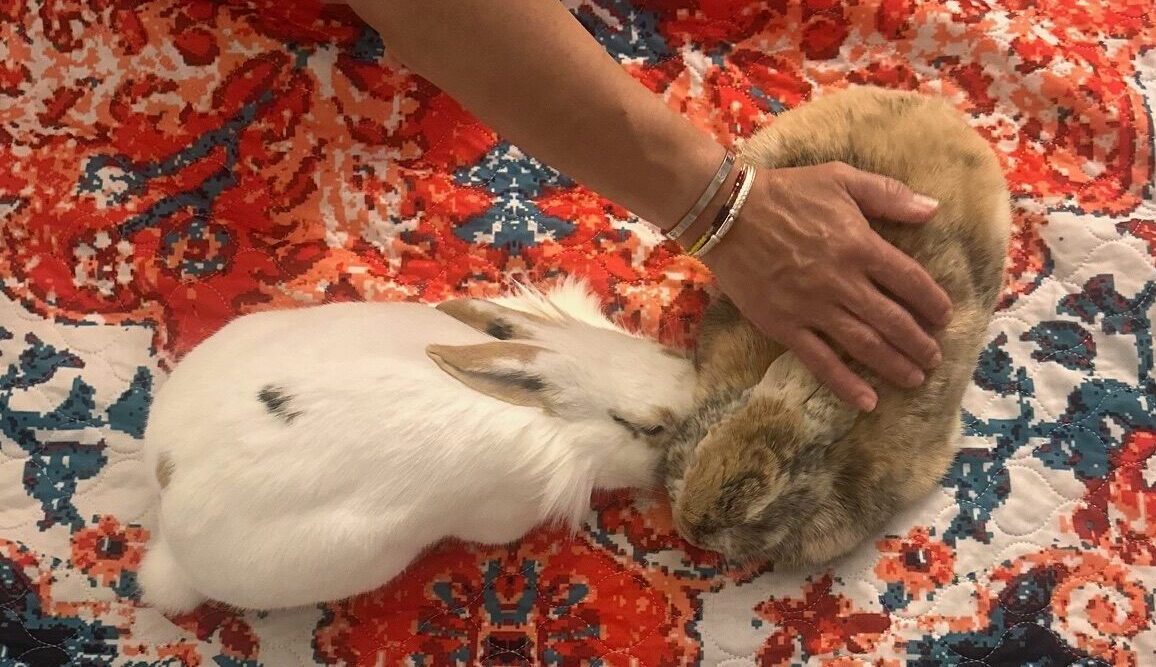
- Supervise Closely: Always supervise the bonding sessions closely and be ready to intervene if necessary. End every session on a good note by petting the rabbits together for a minute before separating them.
- Protect Yourself: Wear jeans, socks and long sleeves to protect your arms and legs from getting bitten or scratched.
AVOID:
- Rushing the Process: Increase the length of the dates slowly. Short dates at first mean there’s a lower chance of flights, which can set the bonding process back by weeks!
-
- Ending on a Bad Note: Avoid the urge to separate right away in the event of a fight. If the last thing that the rabbits remember is fighting, when they are placed together again they will pick up where they left off. Instead, carefully place the rabbits side by side and pet them together for 1 minute before separating them.
- Using Bathtubs: Using bathtubs for bonding is an outdated practice. It is associated with ‘stress bonding’ and no longer recommended. Due to poor traction and visibility rabbits may lash out at each other due to fear.
- Giving Them Something to Be Territorial Over: There shouldn’t be anything except hay and 2 water bowls in the bonding pen. This includes litter boxes, toys and hidey houses.
WATCH OUT FOR:
- Signs of Being Overwhelmed: Behaviors like thumping, chasing, or running away while flicking their back feed, suggest your rabbit might be getting overwhelmed and needs a break. Pet them both, offer a treat, and place them in their separate enclosures.
- Aggression Signs: Be alert for aggressive behaviors like lunging, biting, or prolonged chasing.
Follow This Schedule for Dates
Day 1: 15 minutes, 1 x per day
Day 2: 15 minutes, 2 x per day
Day 3: 15 minutes, 3 x per day
Day 4: 30 minutes, 2 x per day
Day 5: 30 minutes, 3 x per day
Day 6: 45 minutes, 2 x per day
Day 7: 1 hour
Week 3
WEEK 3 | Bunnymoon
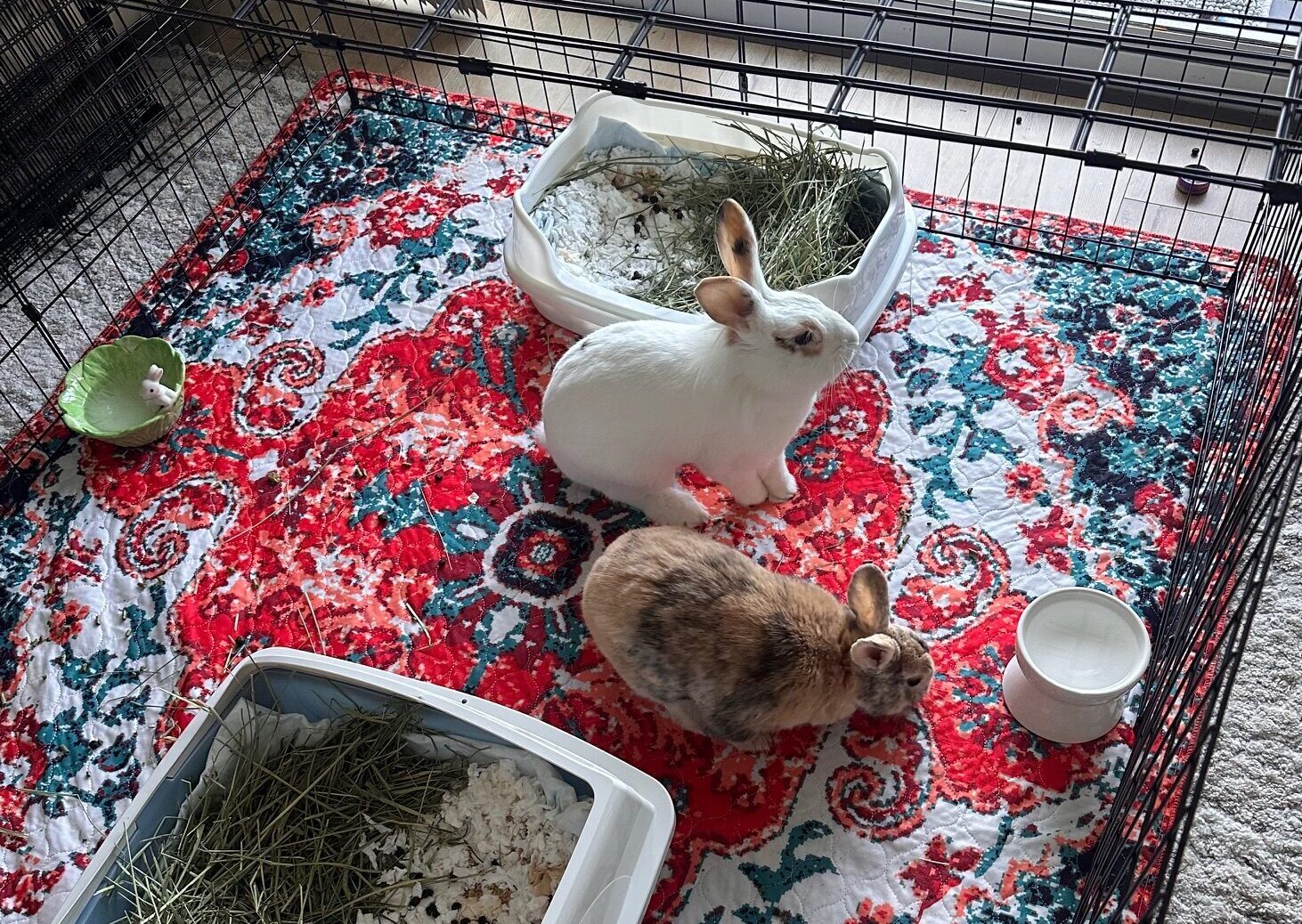
Once rabbits are able to spend at least 1 hour together peacefully; sharing hay, food, and water without bickering, chasing, or fighting, they can move in together in a shared “bunny moon” pen
During this week, the rabbits will experience truly living together for the first time, navigating shared space, resources and attention. Consistent supervision during this stage is essential.
Plan to begin over the weekend or on a day when someone will be home and able to actively supervising the rabbits 24/7. The rabbits should not be left alone together without supervision for the first 2-3 days. This is a critical bonding phase where tensions run high and the relationship can fall apart if a fight breaks out. We recommend sleeping in the same room as the rabbits and separating them into their side-by-side enclosures to prevent setbacks or injury when you’re not able to supervise them.
Things to DO, AVOID and WATCH OUT FOR this Week:
DO:
-
Supervise Constantly: Rabbits need be supervised 24/7 while together during this stage. Someone should always be within sight and hearing range to intervene immediately if needed. Including over night.
- Introduce Items Slowly: Begin adding items gradually, just one per day, and watching closely for changes in behavior or regression after each new addition. If there is bickering allow them some time to work things out or remove the items and slow down.
-
Interact With Them as a Pair Only: Pet them together, hand-feed treats together, and play with them together. This reinforces the idea that good things happen when they are together and prevents jealously.
AVOID:
-
Leaving Them Unsupervised: Even if the rabbits appear bonded, setbacks can happen suddenly at this stage. It is not safe to leave them alone overnight or while away from home. The rabbits are still establishing trust and boundaries, and the bond remains fragile and can regress.
-
Introducing Too Much at Once: Adding litter boxes, hidey houses, tunnels, and toys all at the same time can trigger territorial behavior. Reintroduce items slowly and one at a time.
-
Separating Too Quickly: Minor spats, brief chasing, or mounting are normal bonding behaviors. Avoid separating unless there is clear aggression or a risk of injury, as unnecessary separations can disrupt progress.
-
Using Hidey Houses with Only One Entrance: This like a care or hidey houses with a single opening can allow one rabbit to corner the other, increasing the risk of injury and fights. Always use hidey houses or tunnels with at least two exits.
WATCH OUT FOR:
-
Escalating Behaviors: Mounting, brief chasing, or nudging is normal. Prolonged or aggressive behaviors are not and should be interrupted and redirected. Continued chasing, lunging, or fur pulling that does not stop on its own may indicate that you need to take a step back to Week 2.
-
Resource Guarding: Blocking access to litter boxes, food, or hidey houses is a sign that items may need to be temporarily removed again.
-
Stress or Health Changes: Monitor the appetite, water intake, and fecal output of both rabbits closely. Stress from bonding can sometimes trigger GI issues and it can be harder to spot these symptoms in a bonded pair as one rabbit may be finishing the food and pooping while one is not.
Follow This Schedule for Reintroducing Items:
Day 1: only hay in the middle and 2 water bowls on opposite sides of the pen. No: litter boxes, hidey house, or toys.
Day 2 & 3: add 2 litter boxes on opposite sides of the pen in addition to hay in the middle. No: hidey houses, or toys.
Day 3 & 4: Move the water bowls and litter-boxes closer together as long as there is no negative behavior. Add identical toys to share. No: hidey houses.
Day 5 & 6: Expand the enclosure to be 4FT x 6FT and add 2 hidey houses on opposite sides of the pen. Hidey houses should have at-least 2 entrances/exits. Never use a hidey house that has just one entrance as this can lead to serious injuries if a rabbit gets cornered inside.
Day 7: Allow the rabbits to free roam together in a bunny proofed room for 15min.
Week 4
WEEK 4 | Furever
Begin re-introducing free roam time this week, following the schedule used for dates in Week 2
Start with just 15 minutes on the first day, then increase to two short sessions the following day, etc.
Allowing rabbits full free roam too soon can cause them to seek out and claim separate areas of the room, avoid each other, and potentially regress in their bond. During free roam sessions, encourage the rabbits to explore together. Interactive activities, such as rolling a treat ball with a small amount of pellets inside, can help promote cooperative play and positive shared experiences.
Reduce free roam privileges if rabbits are not consistently choosing to stay together. If the bond appears to regress at any point, return to Week 3 and allow more time for cohabitation.
Once rabbits are fully bonded, they should not be separated for any reason. Bonded rabbits rely on one another for comfort, security, and emotional regulation. Separation can cause significant stress, may cause one or both to refuse to eat, and may damage the bond. So, if one rabbit needs to visit the veterinarian, both rabbits should go together in the same carrier, even if only one is being examined. Separating bonded rabbits can result in one returning home with a different scent, which may lead to rejection and the need for re-bonding.
DEATH: If a rabbit from a bonded pair passes away the remaining rabbit should be monitored closely for symptoms of stasis (low appetite, not eating, not pooping). If possible allow the remaining rabbit to spend time with the body of the deceased rabbit to mourn and understand what has happened. If their friend simply doesn’t return from the vet they may continue to look for them and refuse to eat as they wait for them to come home. Introducing a new friend might be necessary.